
 In financial services, maintaining the integrity of signed documents is critical to protecting your interests. The way documents are returned, stored, and handled can have legal, compliance, and security implications. By following the practices described here, you help ensure that your documents are secure, complete, accurate, and accepted the first time they are submitted.
Why document handling matters
Documents in financial services often involve critically important information. A misplaced page, altered file, or insecure transmission could delay processing, cause compliance issues, or, in rare cases, expose your information to unauthorized use.
These risks are avoidable with clear return and handling protocols. Adopting consistent practices ensures that:
- Your documents remain intact and authentic.
- Your personal and financial information stays secure.
- Advisors can act promptly on your behalf.
- Regulatory requirements are met without delay.
Following these steps is in your best interest and strengthens the fiduciary relationship with your advisory team.
1. Always return the whole, complete document.
When signing a document, return the entire file and never just the signature page. If you only return the signature page, it is like handing the professional you are working with a blank check and asking them to fill in the details. The professional is given too much power, and miscommunication can cause big mistakes.
Returning whole and complete documents preserves context, protects your intent, and reduces the risk of disputes.
2. Use secure delivery channels.
How a document is transmitted is as important as what it contains. Secure channels reduce the risk of interception or unauthorized access. Reliable options include:
- You can return documents securely via our secure client portal. To upload a file to us, you can get started by clicking that link and then following along on our guide, “How to Upload a Secure Document to Marotta.”
- You can deliver documents directly to our office’s physical and secure client Dropbox. It is located to the right of our front door and you can deliver a document this way by pushing it all the way back until it has disappeared around the corner. Documents put into our Dropbox this way are under lock inside our foyer and can only be accessed by using a key.
- You can mail documents to our offices at 1000 Ednam Center, Suite 200, Charlottesville, VA 22903. We consider this option a last resort as we have experienced poor postal service delivery statistics on our outgoing mail which leaves us equally concerned that incoming mail might fail to be delivered.
Unsecured email, text messages, or public file-sharing links can leave sensitive information exposed. Using secure delivery methods ensures your personal and financial information remains private.
3. Preserve original documents until processing is confirmed.
Original signed documents should be kept until your advisor confirms processing is complete and all parties have accepted them. Destroying originals prematurely can complicate future verification or require re-signing.
Once documents have been successfully processed, retention is no longer as necessary. Financial institutions like Charles Schwab normally retain electronic copies for at least five years.
4. Label documents for clarity.
Clear labeling makes it easier to track and confirm documents. At Marotta, we use the format:
YYYYMMDD – Document Name – Lastname, Firstname.pdf.
Then, we add the word “Signed” before the document name once it had been reviewed and signed by the client.
Using this convention helps ensure the file you return matches the one we sent, reducing the risk of miscommunication. Even if you send a file with a generic name like “scan1.pdf,” we may rename it internally to retain clarity.
5. Confirm delivery.
After sending a document, it is best practice to notify the recipient that it has been delivered. An email confirmation like this provides a record and lets your advisor know they can proceed. This also provides your advisor a chance to acknowledge that they have received it or communicate any additional steps that may be necessary.
6. Avoid insecure practices.
Certain document-handling shortcuts can compromise integrity:
- Photographing documents: Images may be distorted, incomplete, or insecurely stored on devices.
- Not reviewing your documents after scanning: We have received documents where pages were missing, misaligned, or where only the back was scanned.
- Shredding before confirmation: Premature destruction removes the ability to rectify problems if questions arise.
- Throwing away your documents rather than shredding them: This potentially exposes your documents to bad actors and identity theft. While a shredder is best, any form of making identify theft more difficult such as tearing, redacting, burning, or mixing into different trash disposals can be helpful.
Avoiding these insecure practices helps ensure that your documents remain legible, complete, and secure.
If you do not have access to a scanner, we recommend that you utilize a secure delivery method that does not require one. For example, physical delivery to our offices or postal mail.
Why following these practices is in your best interest
Following proper return and handling protocols:
- Protects the authenticity of your agreements.
- Safeguards your personal and financial information.
- Prevents delays or the need to re-sign.
- Meets compliance and fiduciary obligations.
By adopting these practices, you ensure that both you and your advisory team can work efficiently, securely, and in alignment with regulatory requirements.
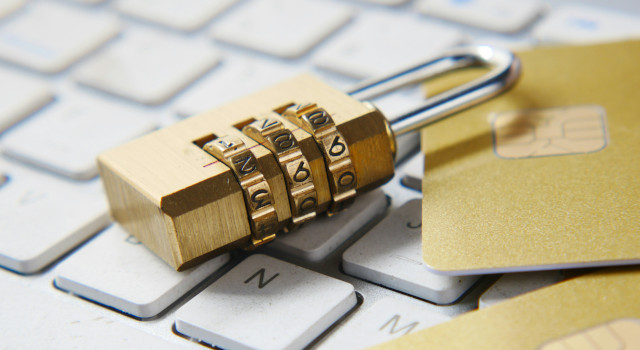
Photo by Towfiqu barbhuiya on Unsplash. Image has been cropped.

Latest posts from David John Marotta
- #TBT Invest Your Health Savings Account For Appreciation - August 13, 2026
- #TBT Seven Elder Abuse Scams and How to Protect Yourself - July 23, 2026
- #TBT How to Double Your Retirement - July 16, 2026